STAY
Where to Stay in Marrakech by Neighborhood: Which Quarter Suits Your Trip
A neighborhood-by-neighborhood guide to the city, and the kind of traveller each Marrakech quarter is built for.
Timence Guide Editors · 29 June 2026
In short: choose the Medina for immersion and a first visit, Hivernage for comfort near the action, Gueliz and Majorelle for the contemporary city, the Palmeraie for space and families, Al Maaden for modern calm and golf, the estates outside the city for resort space, and the Agafay desert for a complete escape. Here is how to read each one.
A facade in Marrakech tells you almost nothing. The same blank ochre wall can hide a six-room riad or a palace, a budget guesthouse or a collection of private courtyards. Where to stay in Marrakech is less a question of price than of geography, because each neighborhood holds a different relationship with the city, and that relationship shapes every hour of the day.
Should you stay in the Medina?
Yes, if it is your first visit and you want to be inside the city rather than near it. The Medina puts you within walking distance of Jemaa el-Fnaa, the souks, and the monuments, and the riad is its signature stay. Expect noise, narrow lanes, and rarely an easy pool.
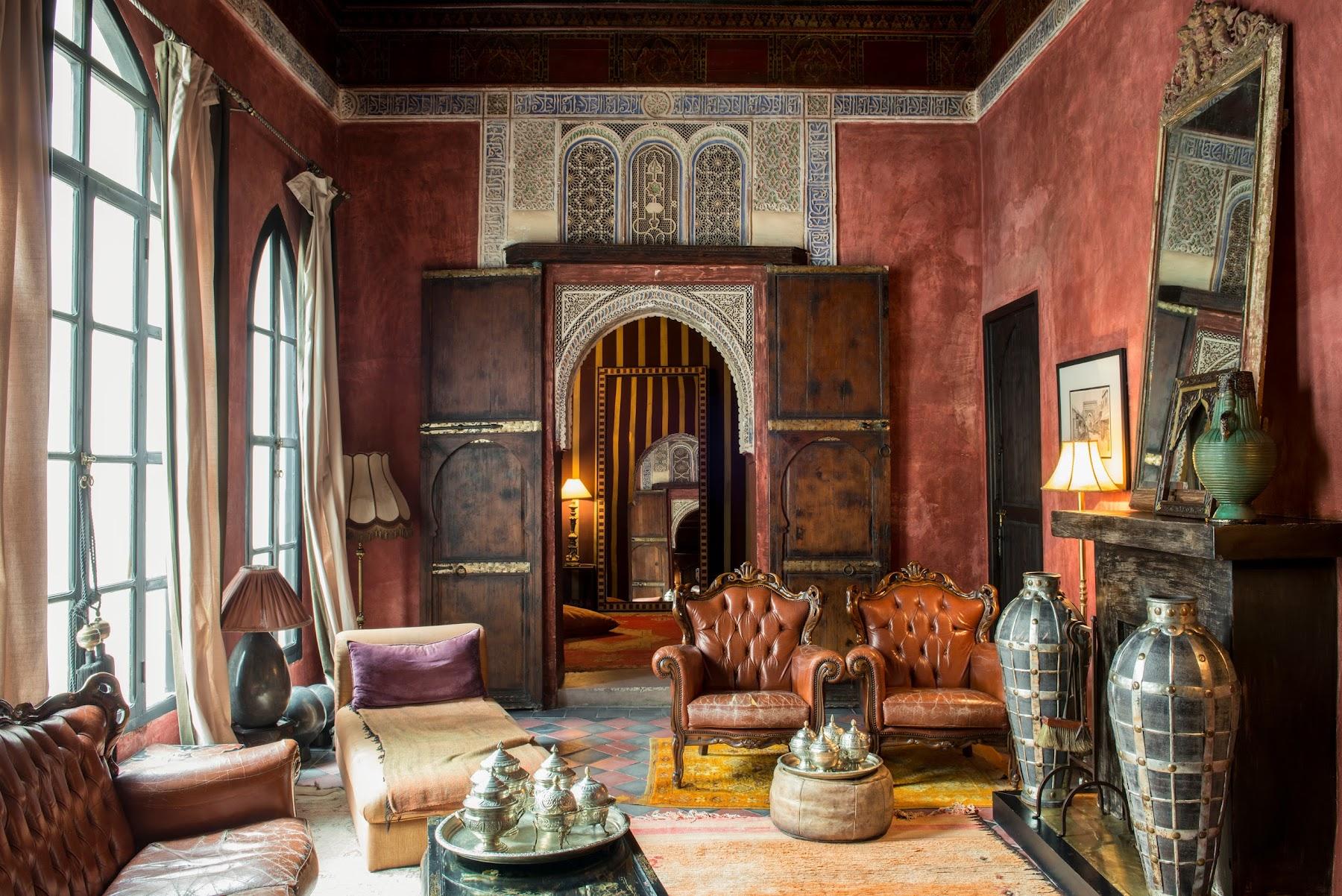
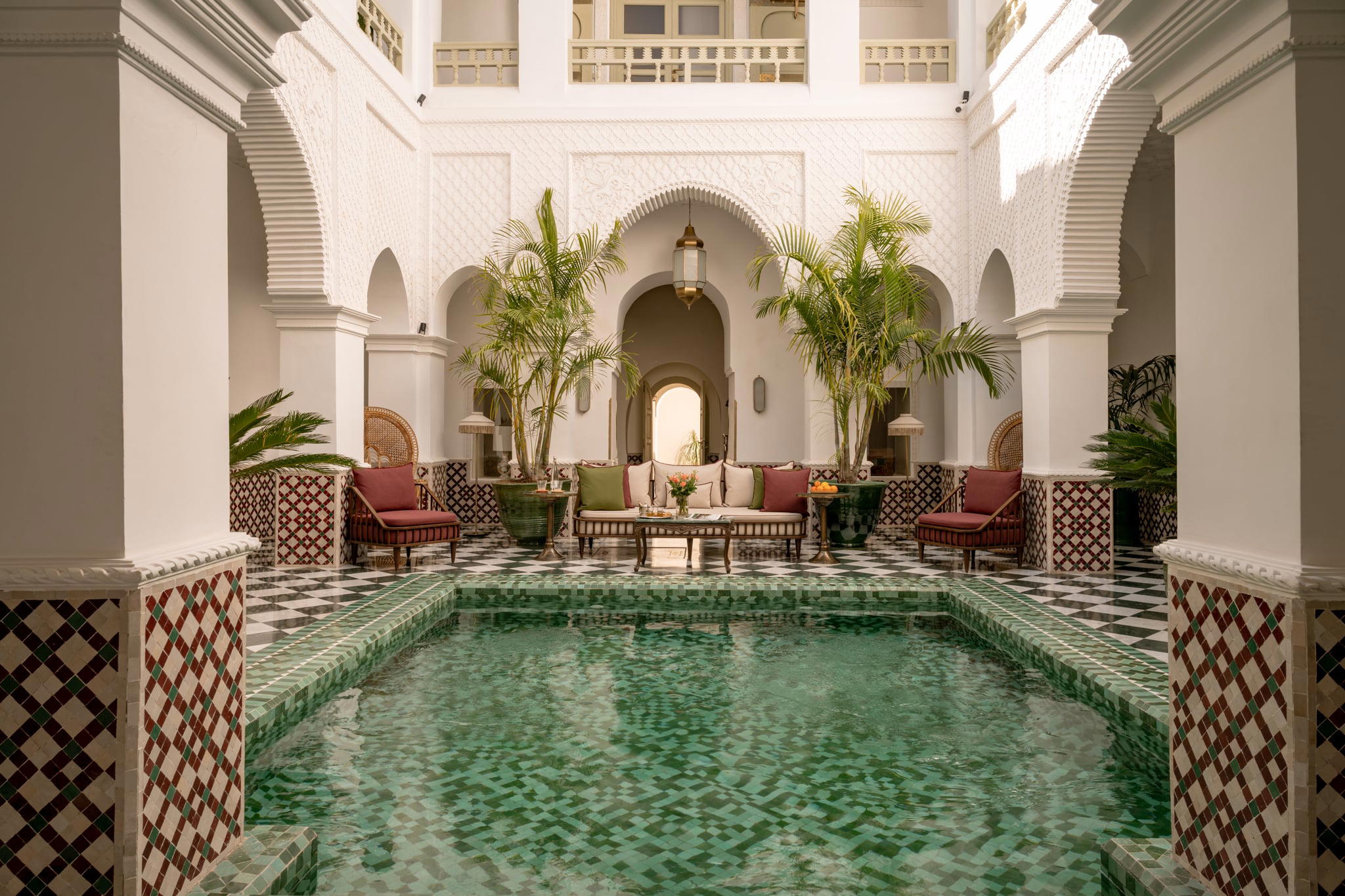
This is where the riad belongs, and the range is enormous. Grand palaces at one end, La Mamounia, a 1920s landmark, and Royal Mansour, conceived as a private medina threaded with its own alleys, and La Sultana. Intimate houses at the other, Riad Jardin Secret, Le Farnatchi, and Villa des Orangers, with design-led addresses like El Fenn and Izza. Smaller riads in the quieter derbs are also where the Medina turns affordable, immersion without the palace price.
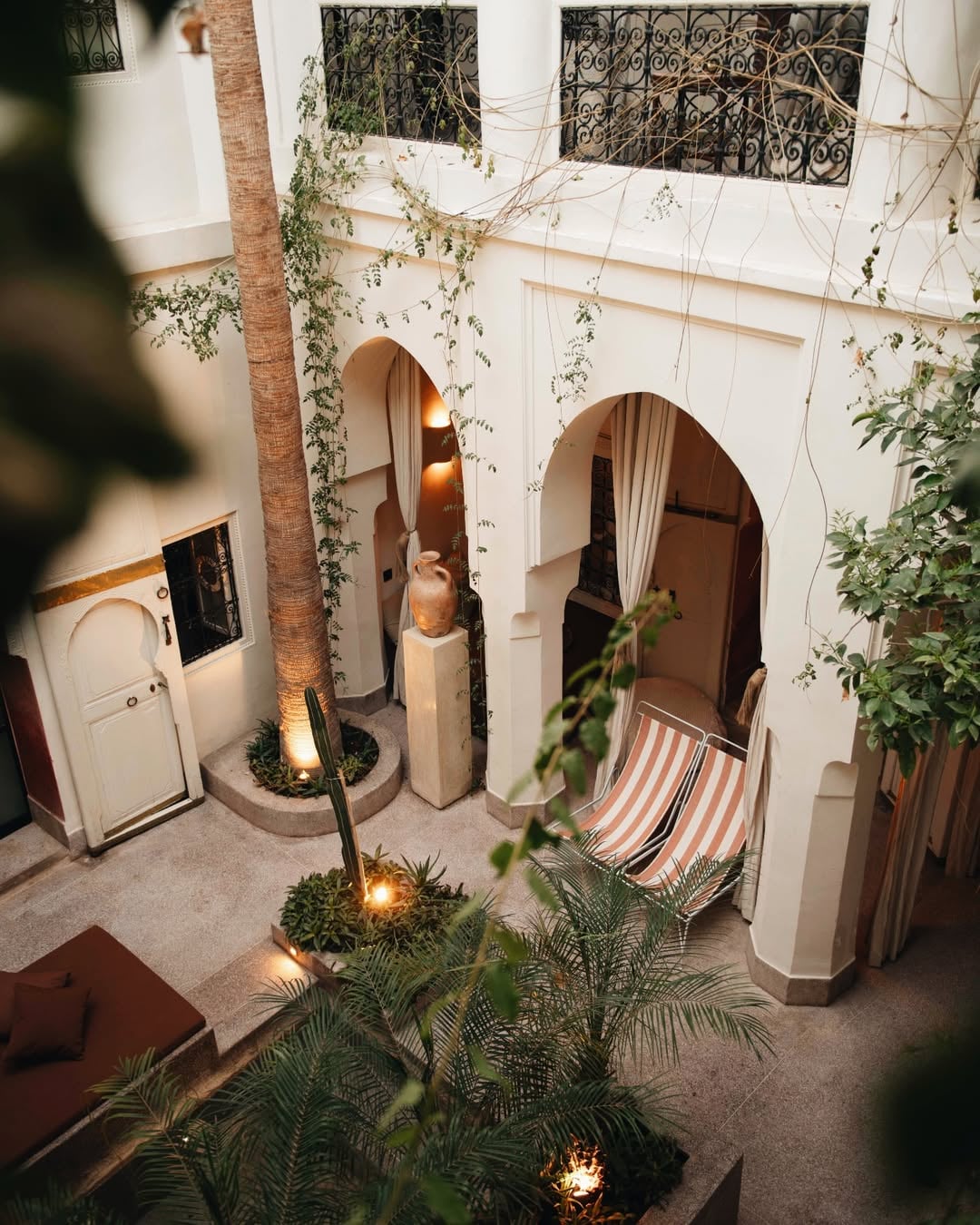
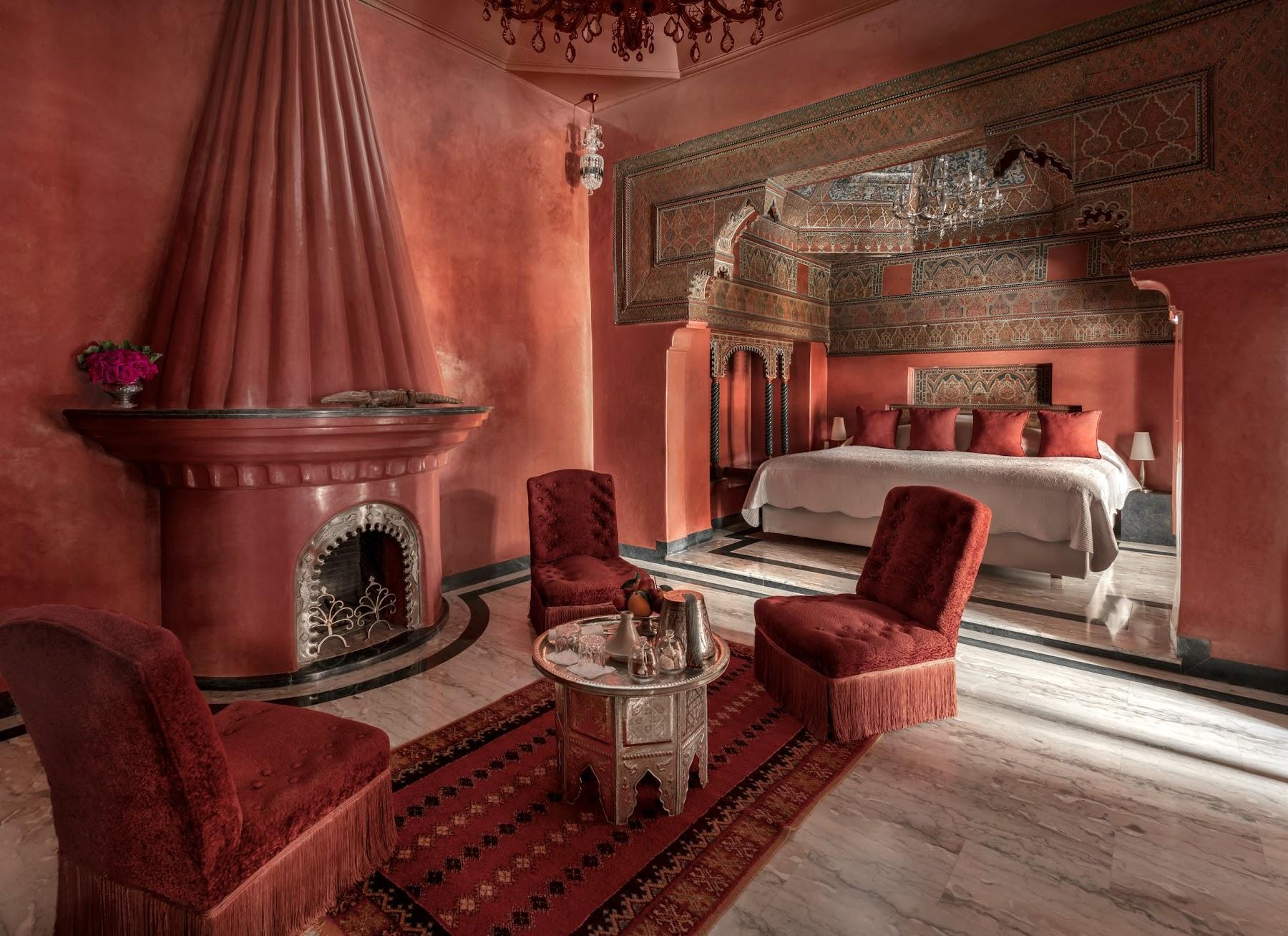
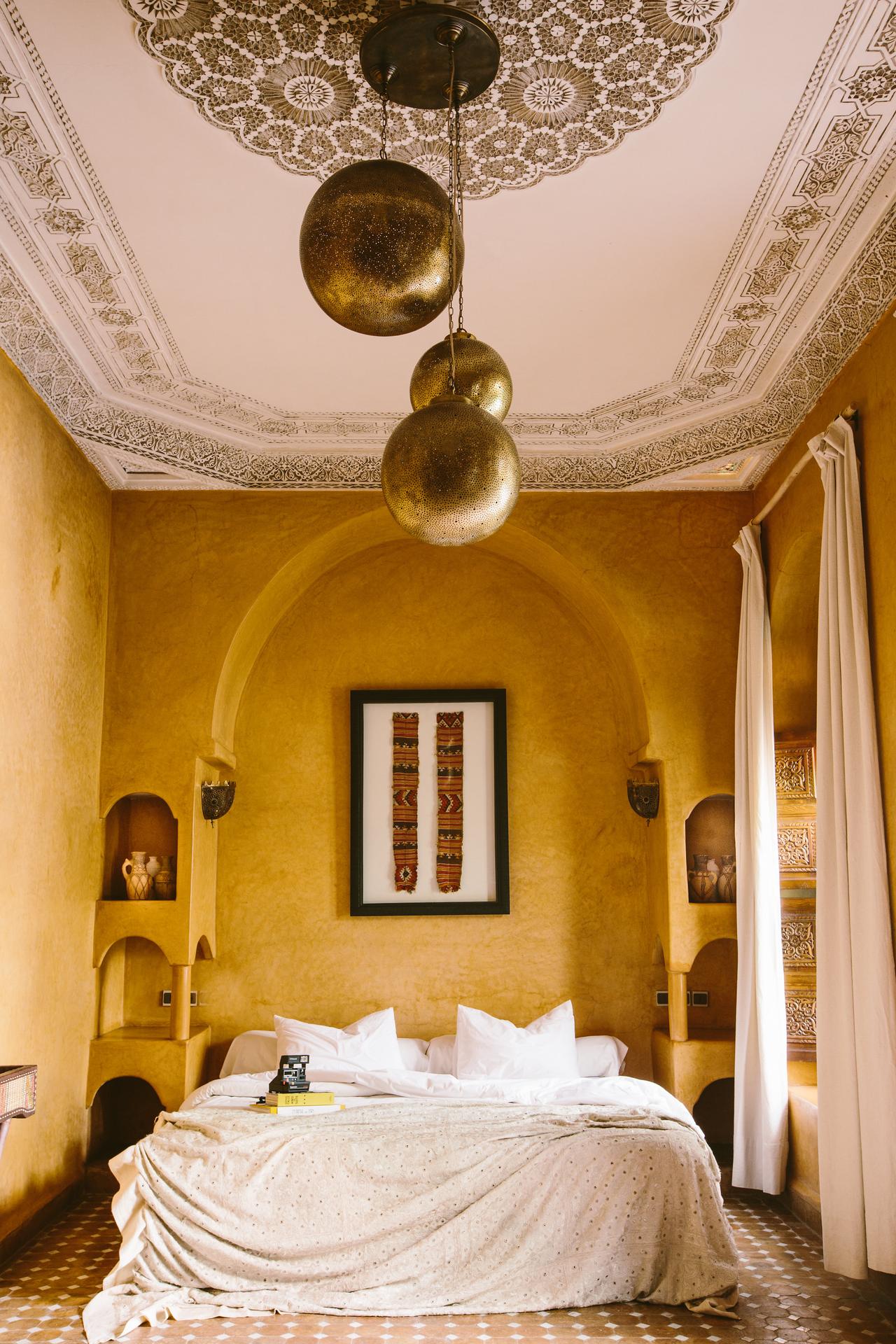
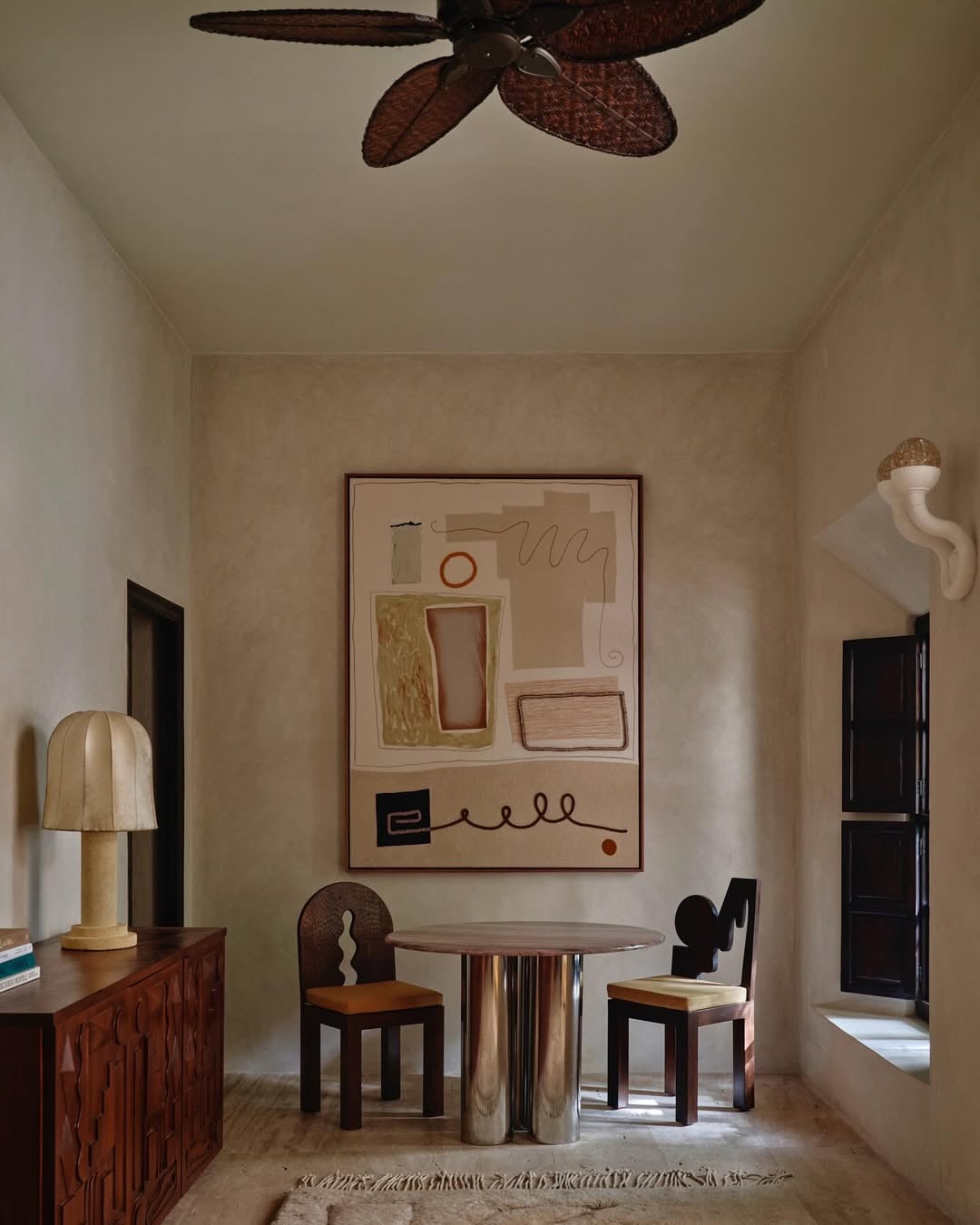
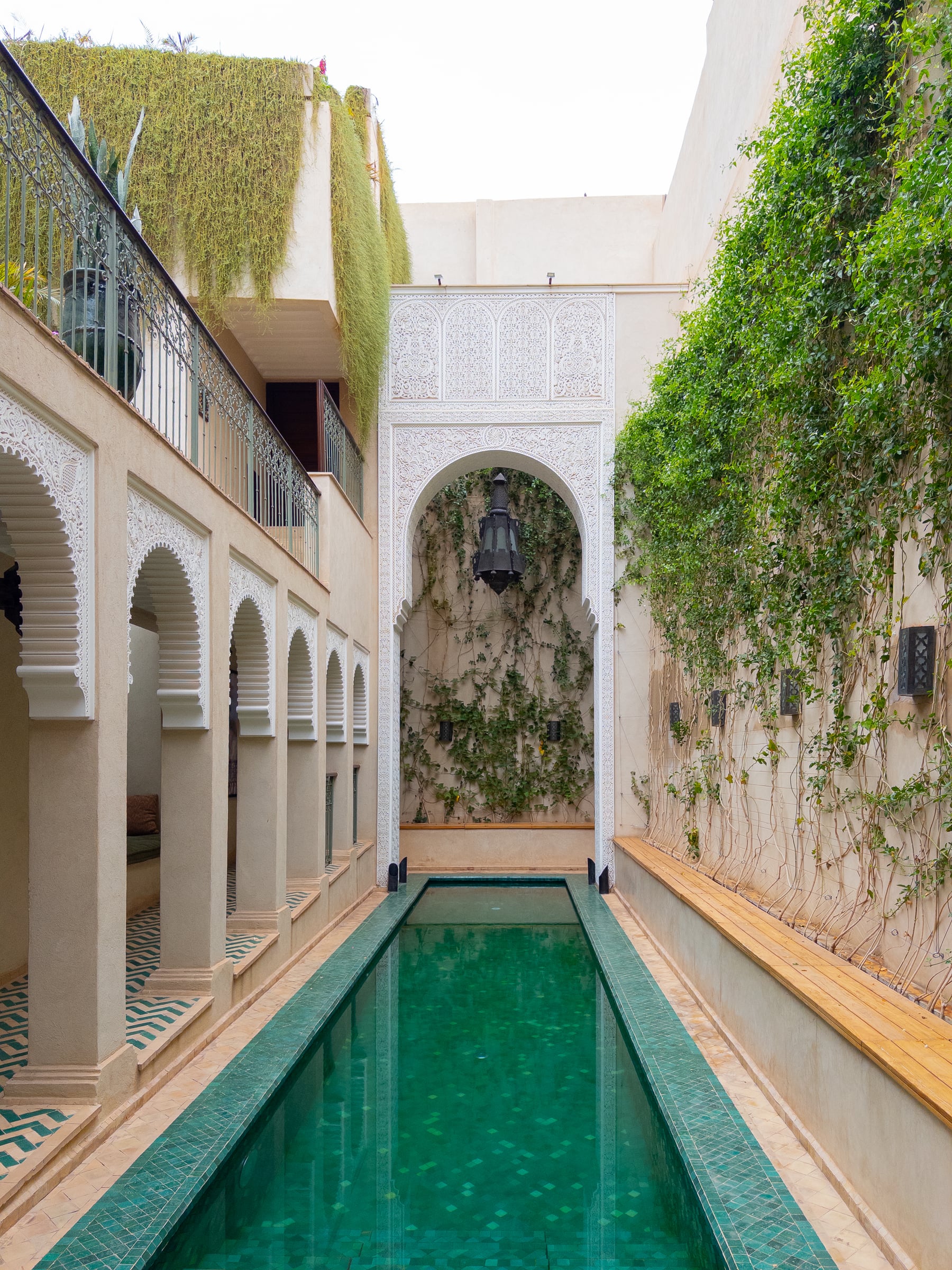
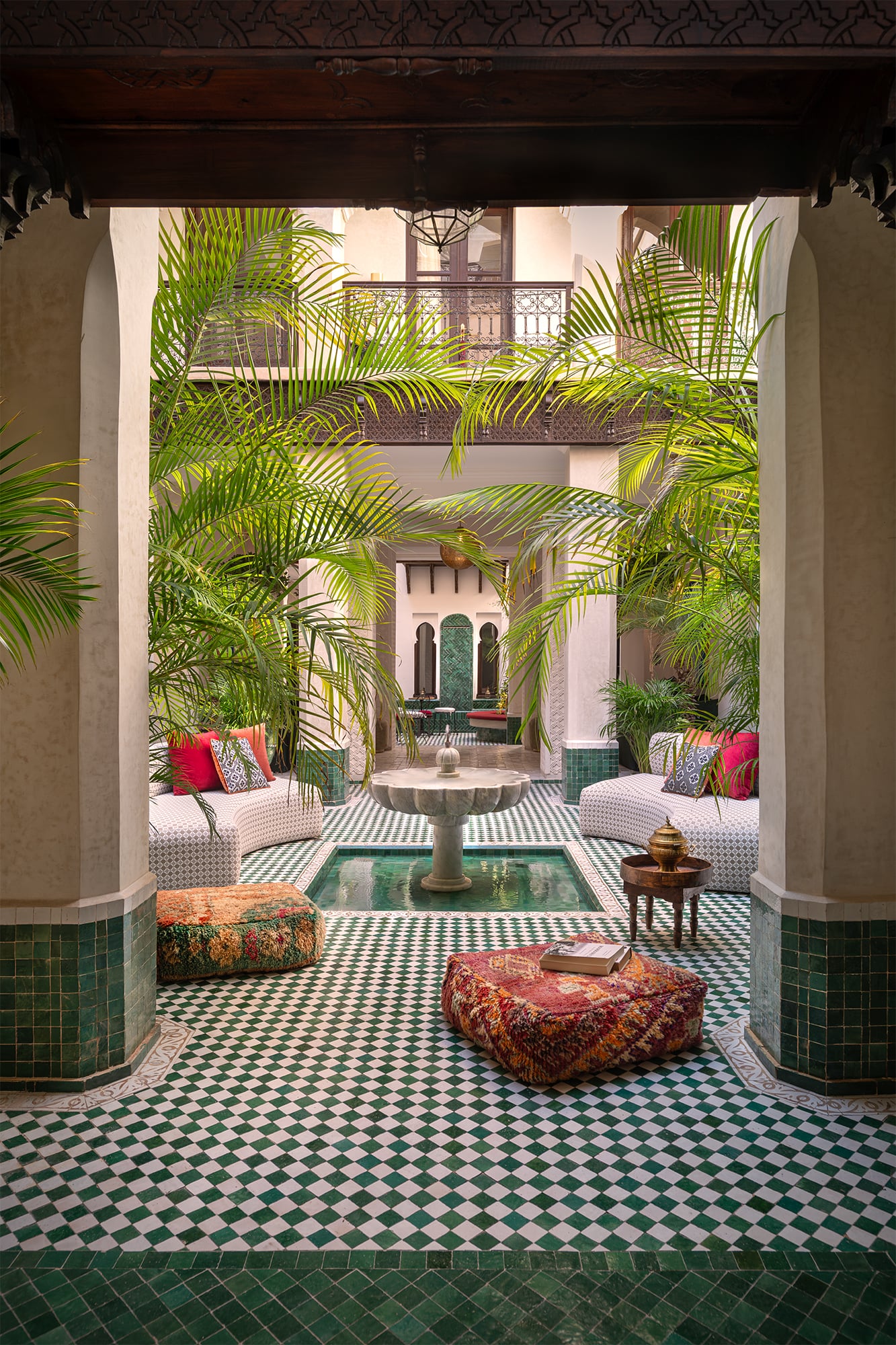
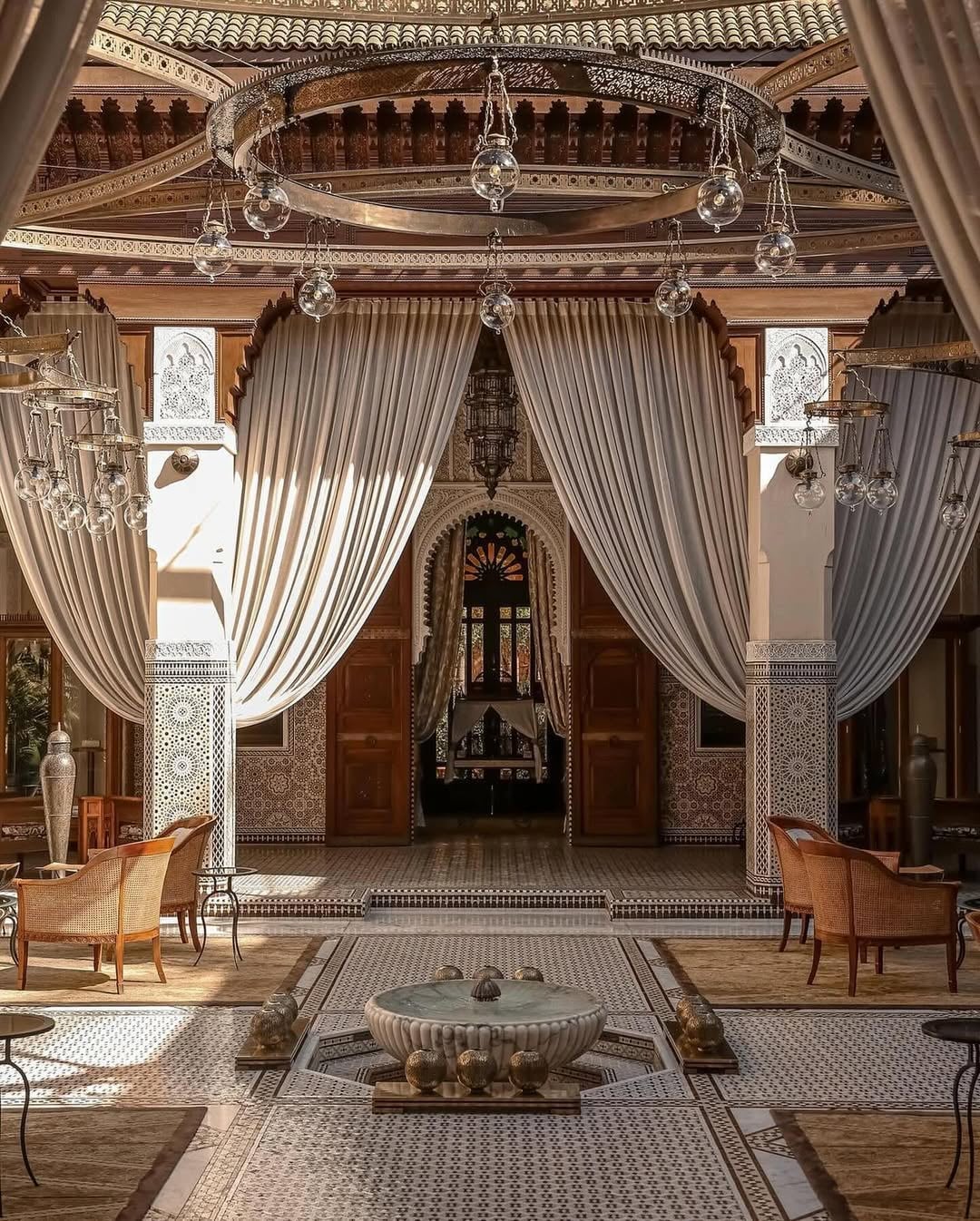
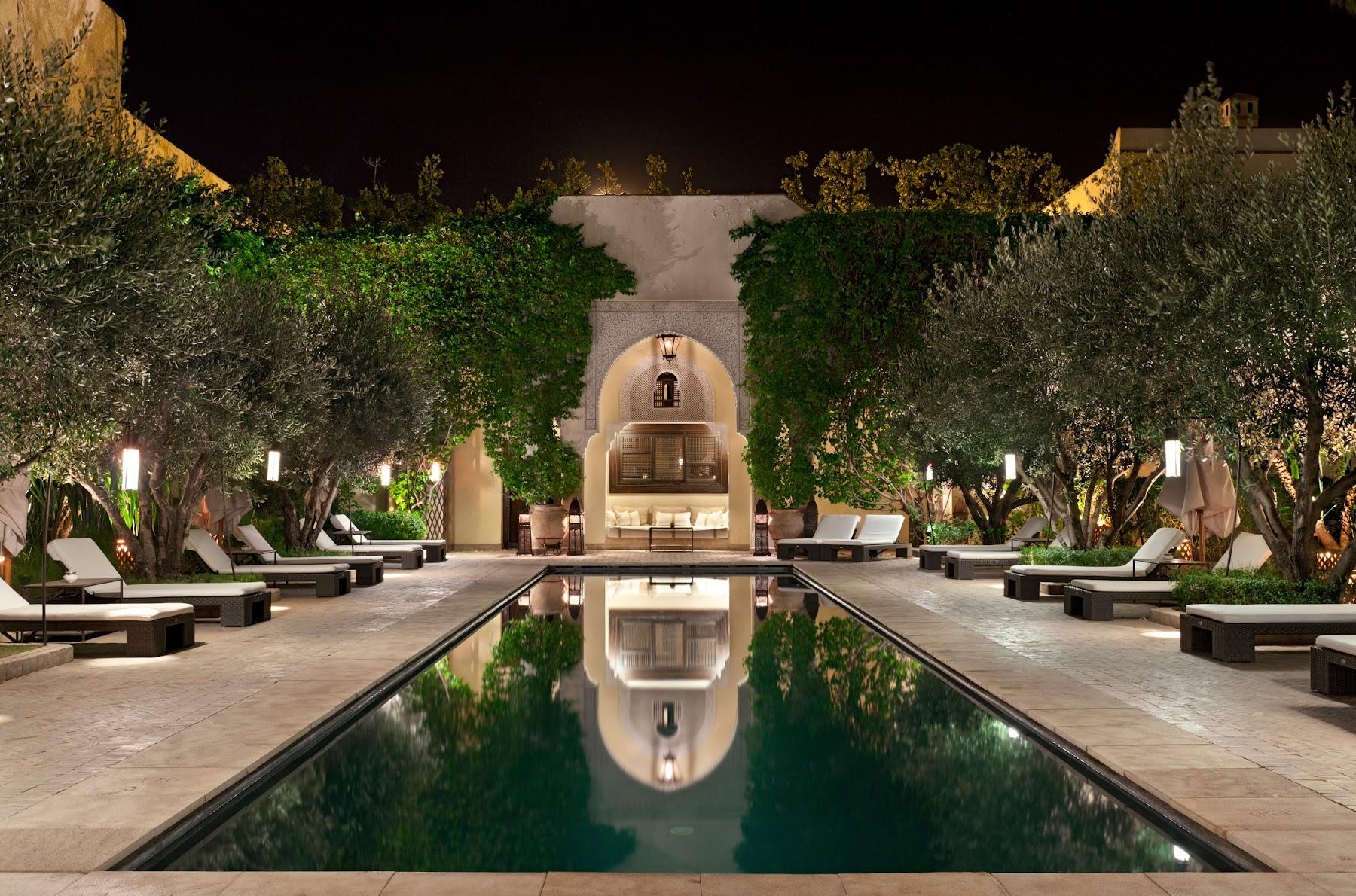
The Medina suits the traveller for whom proximity matters more than a pool. It asks for noise and the daily negotiation of finding your way home, but for anyone who wants Marrakech rather than a view of it, that is the whole point.
Where can you stay near the Medina but calmer?
Hivernage. Laid out as a garden district of wide avenues, it sits minutes from the Medina and the Koutoubia but trades the old city's intensity for modern hotels with pools and spas. It is also where the city's nightlife concentrates.
The accommodation is modern and substantial: Four Seasons, Es Saadi, the Nobu Hotel, and Dar Rhizlane, properties built around pools and space rather than a courtyard. It is the city's evening quarter too, home to Comptoir Darna, Jad Mahal, and a cluster of rooftops that keep their own hours.
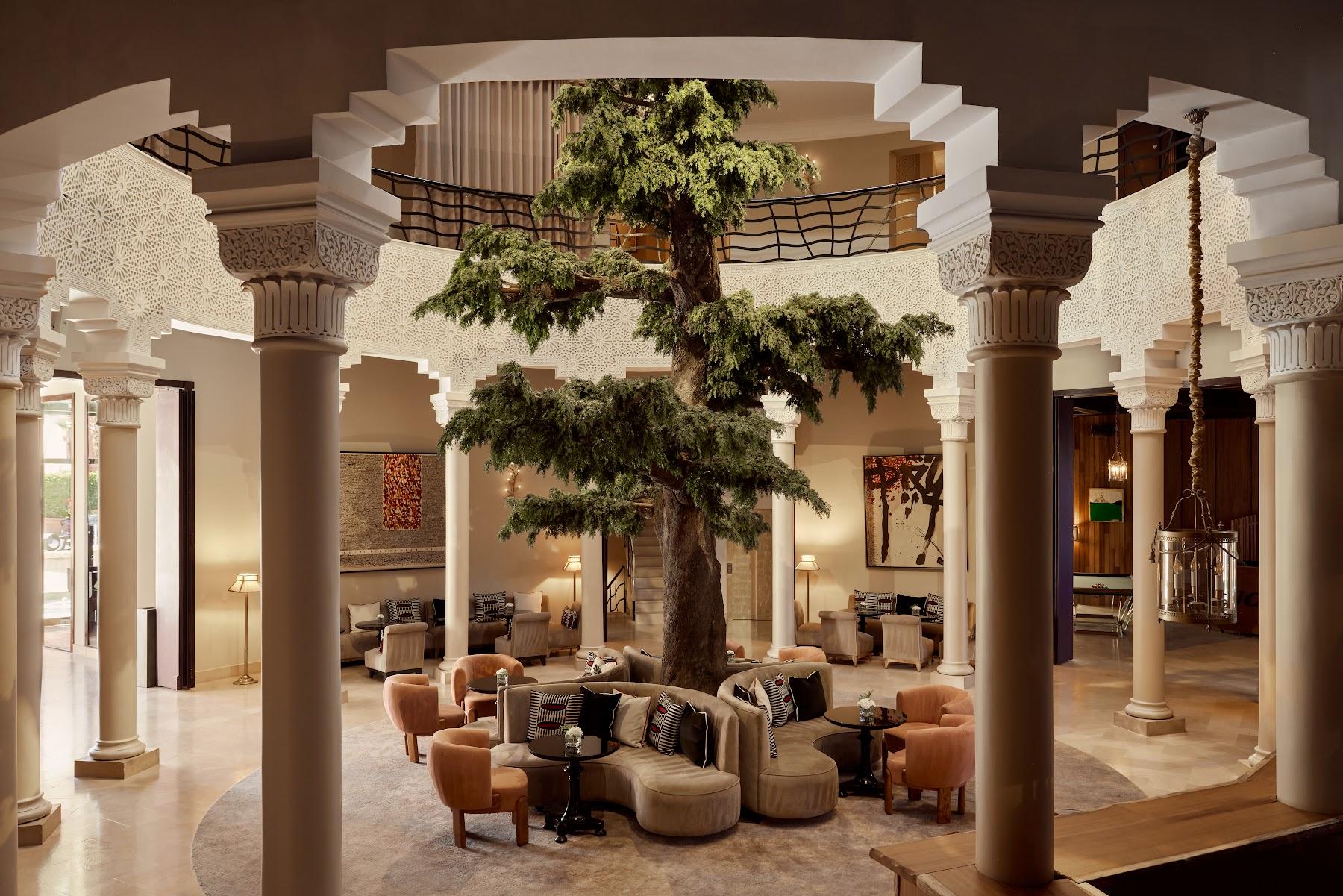
This is the zone for couples who want comfort and a short walk to the monuments, for travellers wary of the Medina's intensity, and for anyone who treats the evening as part of the itinerary.
Is Gueliz a good place to stay?
Gueliz is the city's contemporary heart for dining, galleries, and shopping, but it is not really where you sleep: hotels here are few. It suits visitors who want modern Marrakech by day and don't mind basing themselves elsewhere, or just north around the Majorelle garden.
Gueliz is the ville nouvelle the French laid out a century ago, and it holds the densest concentration of good restaurants in the city, from Grand Café de la Poste and Al Fassia to Plus61, Sahbi Sahbi, and Amal. It rewards the visitor who has already done the Medina and wants the other Marrakech, the one with sidewalk tables, galleries, and art openings.
Where Gueliz is thin is beds: this is a quarter to eat and spend the day in more than to check into.
Where do you stay near the Majorelle garden?
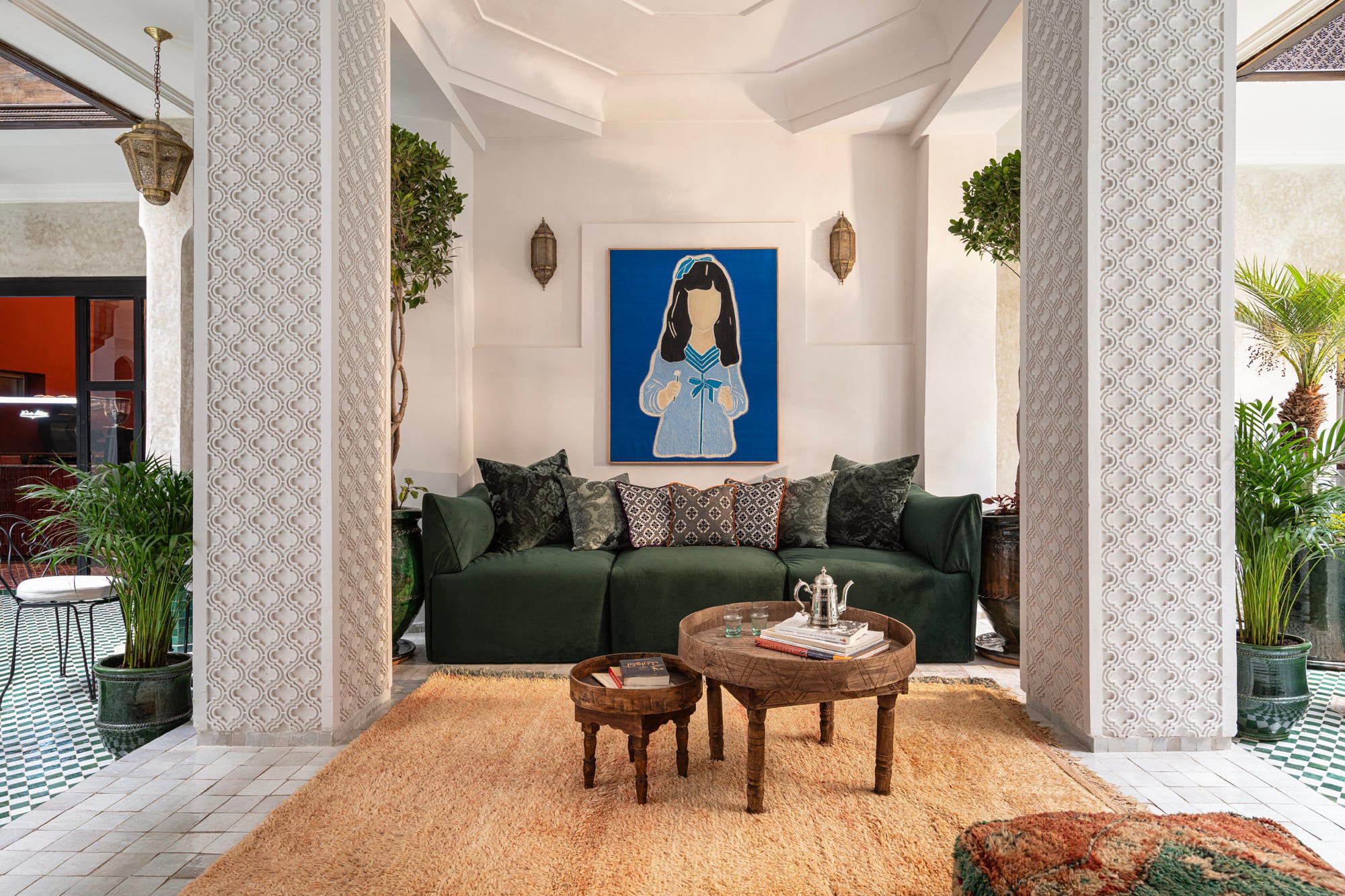
Just north of Gueliz, the Majorelle quarter is built around the Jardin Majorelle, the Yves Saint Laurent Museum, and the Berber Museum. It holds only a handful of boutique stays, MORO and Maison Brummell Majorelle among them, but they are some of the most design-conscious rooms in the new city.
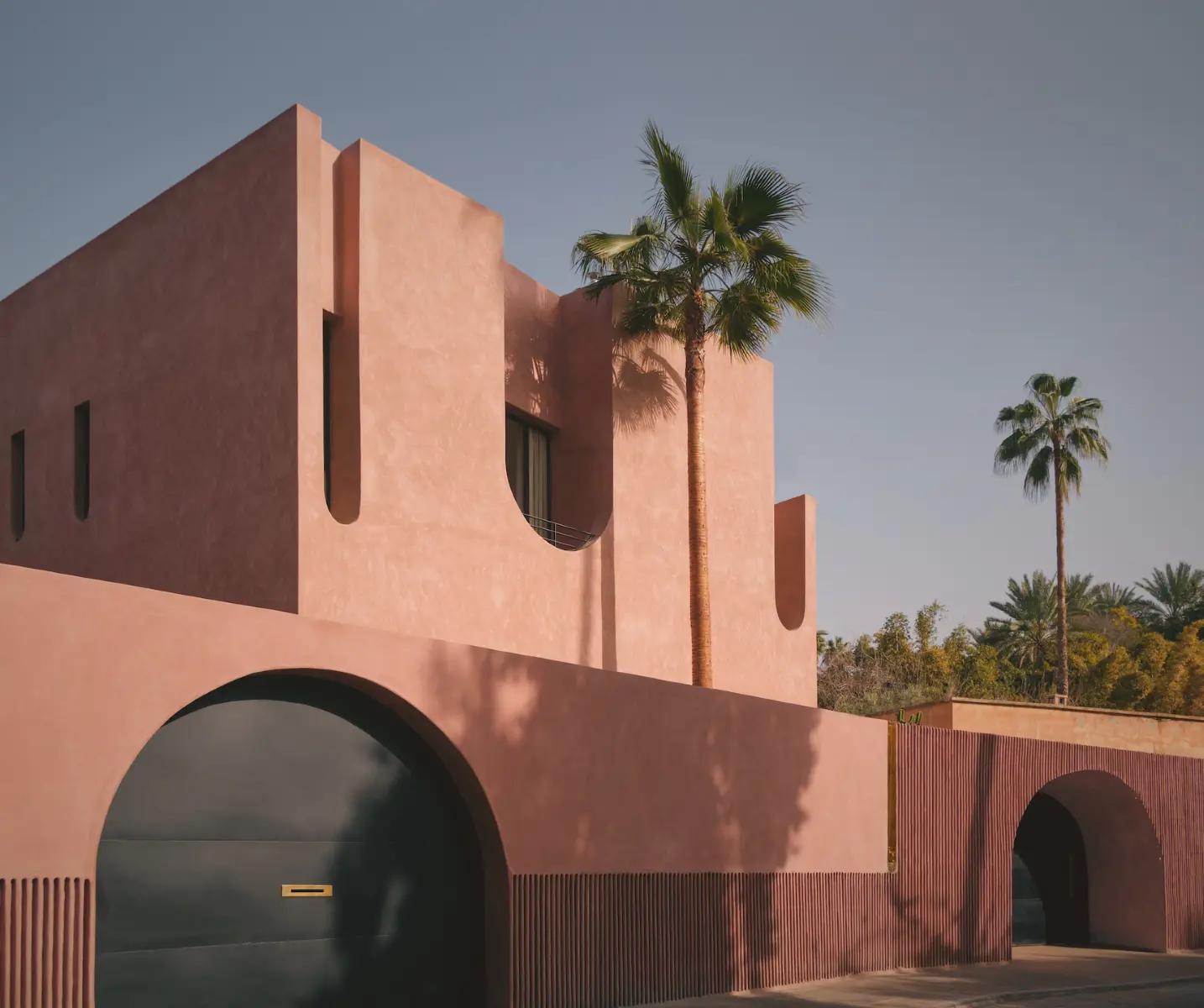
This is the address for travellers who want Yves Saint Laurent's Marrakech: the cobalt garden, the museum, and a small contemporary hotel a short walk from both. It trades the Medina's density for a calmer, more curated version of the city.
Where should families stay, or anyone wanting space and a pool?
The Palmeraie. A palm grove on the city's edge, roughly twenty minutes from the centre, where the offer is space: private gardens and pools the Medina cannot provide. It is the best fit inside the city for families and honeymooners who want calm over immersion.
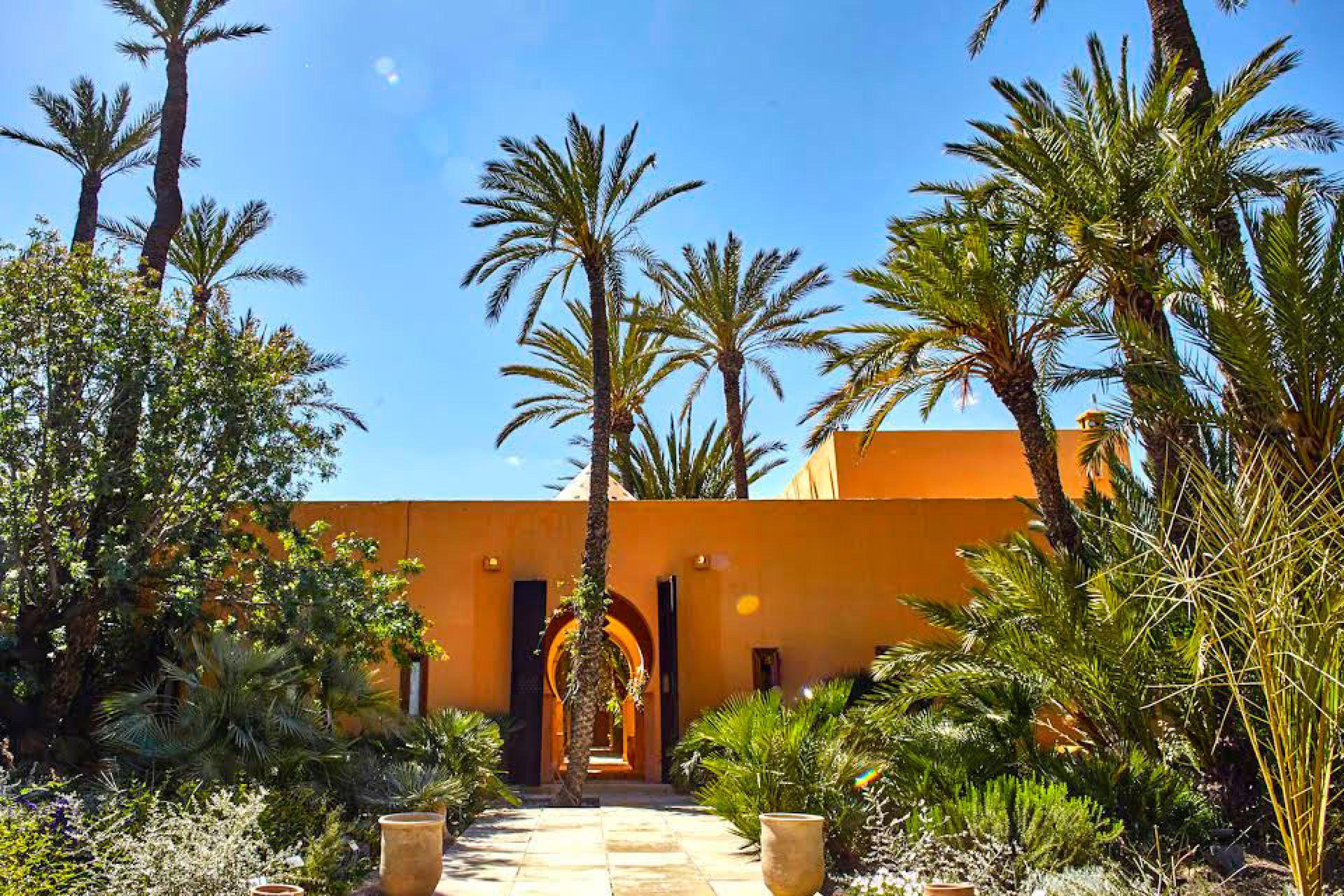
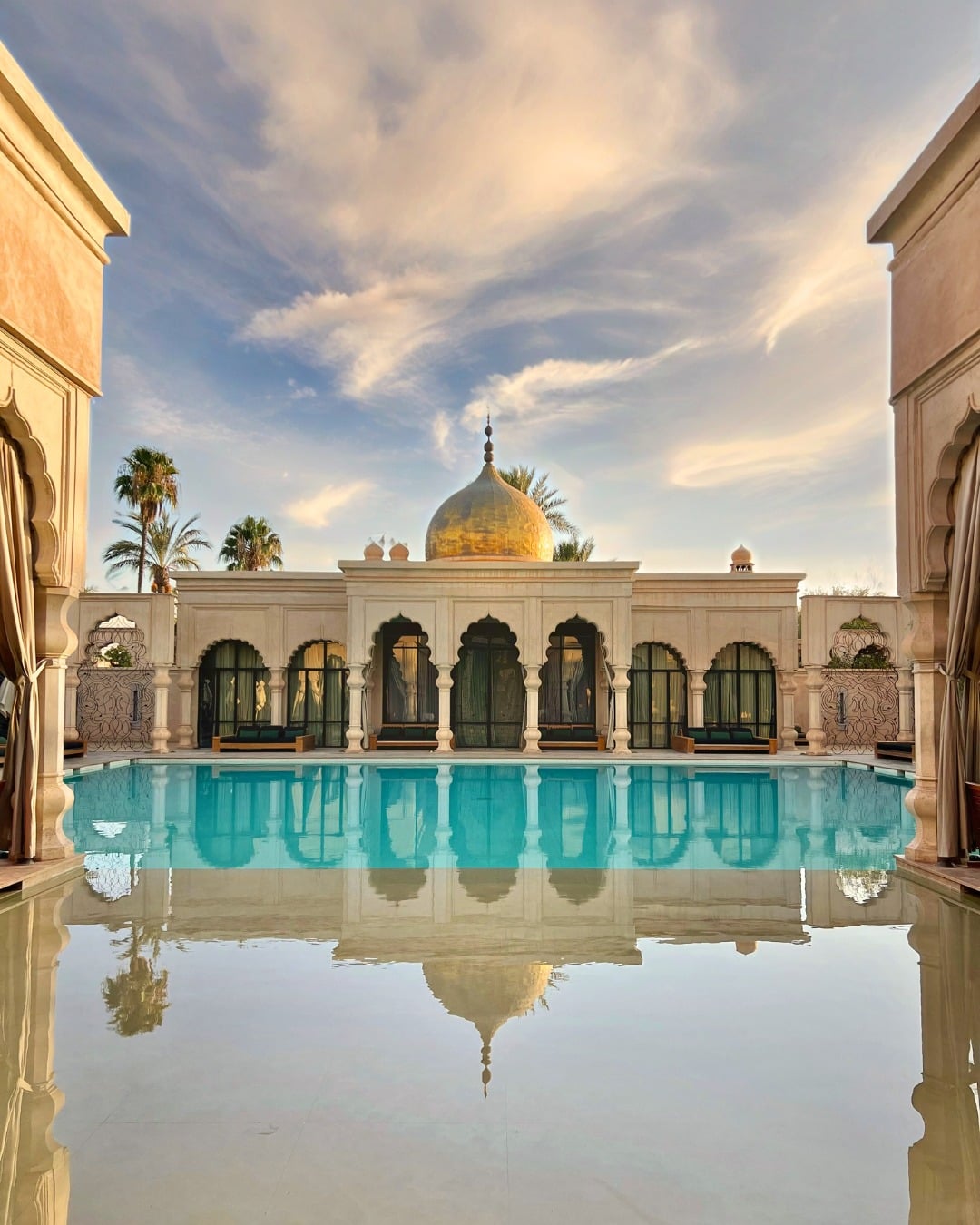
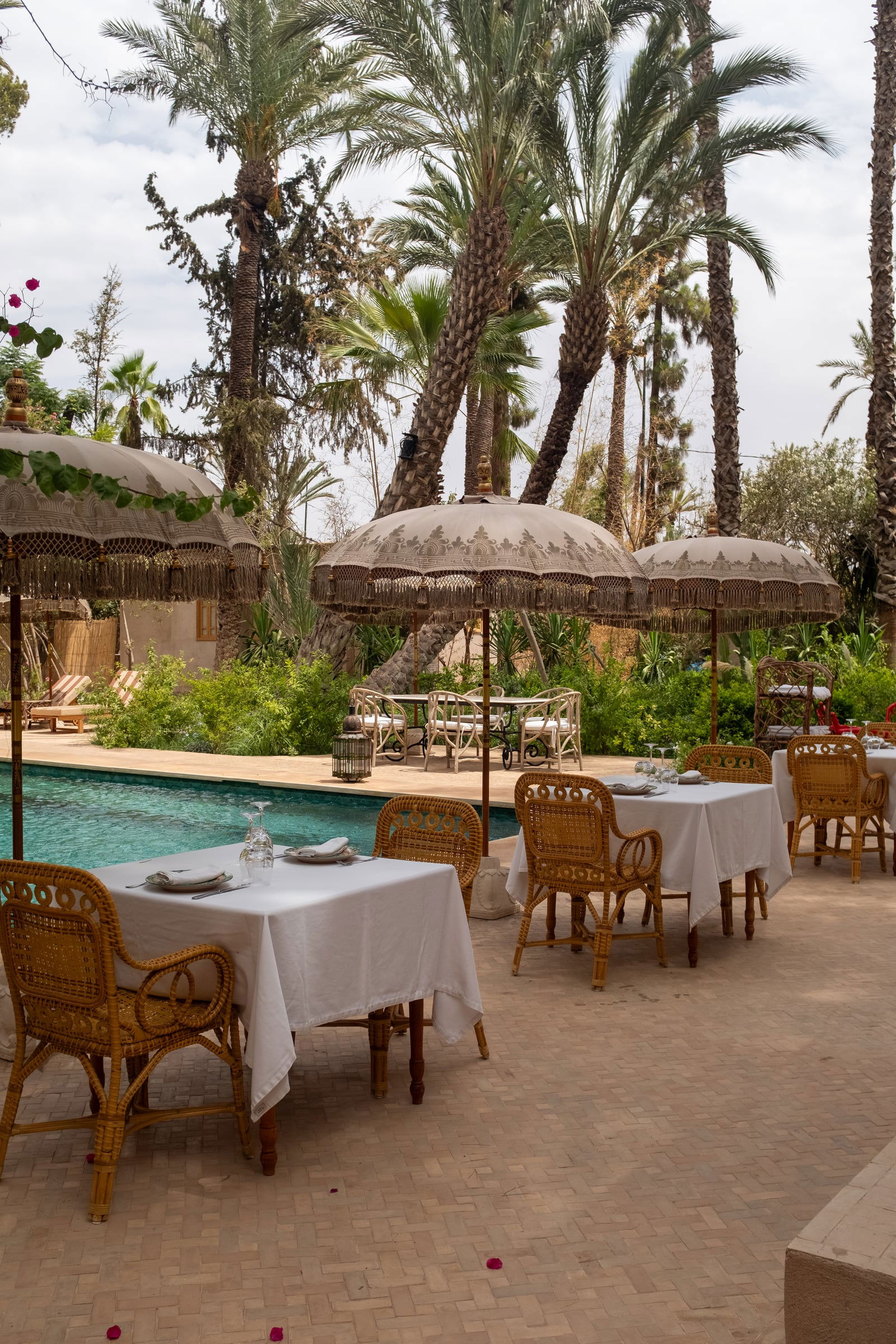
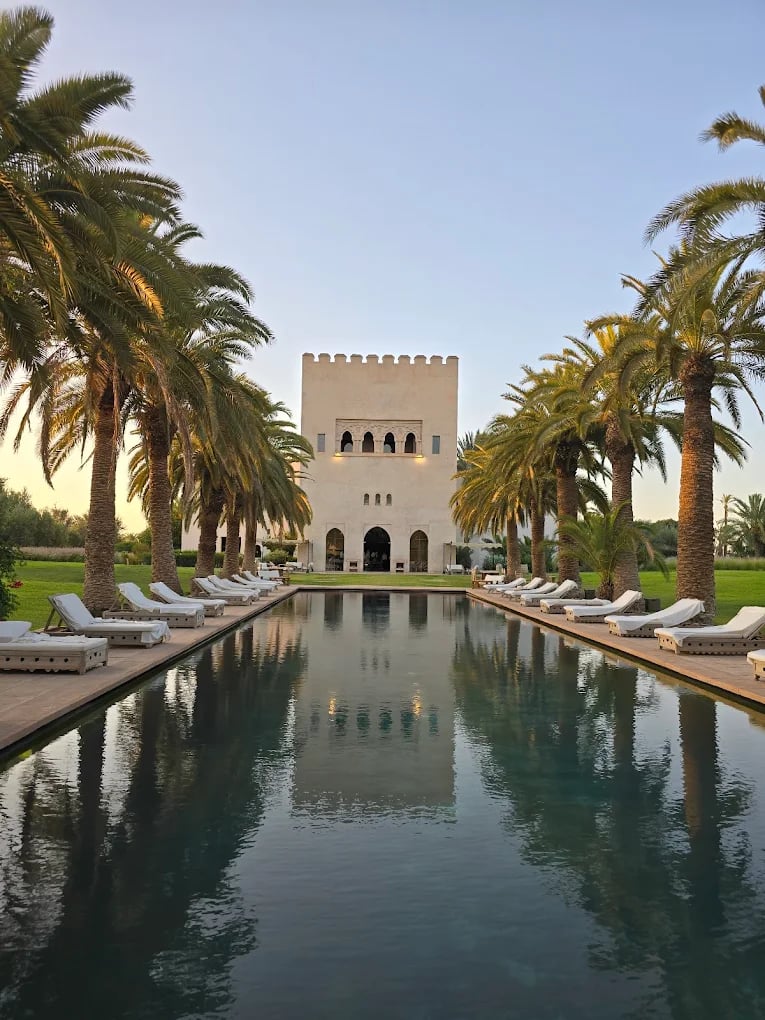
The properties match the landscape. Jnane Tamsna and Jnane Rumi operate as botanical estates rather than hotels; Ksar Char-Bagh, Palais Namaskar, and Les Deux Tours trade in seclusion and scale. These are addresses built around slowness, where the grounds, not the city, are the day's centre of gravity.
The trade is mobility: every trip into town is a planned departure, not a step out the door. For families who need a pool the children can actually use, that is a fair exchange.
Where do you stay for modern luxury or golf?
Al Maaden, a planned district on the southern edge of Marrakech, still firmly within the city. Built around a golf course and design-led hotels like the Mandarin Oriental and Park Hyatt, it offers contemporary calm a short drive from the Medina, with MACAAL for contemporary African art nearby.
If the Medina is the city's oldest reflex, Al Maaden is its newest: low, contemporary, serene among gardens and greens, with Ling Ling supplying the evening. This is still Marrakech, but it reads nothing like the old city.
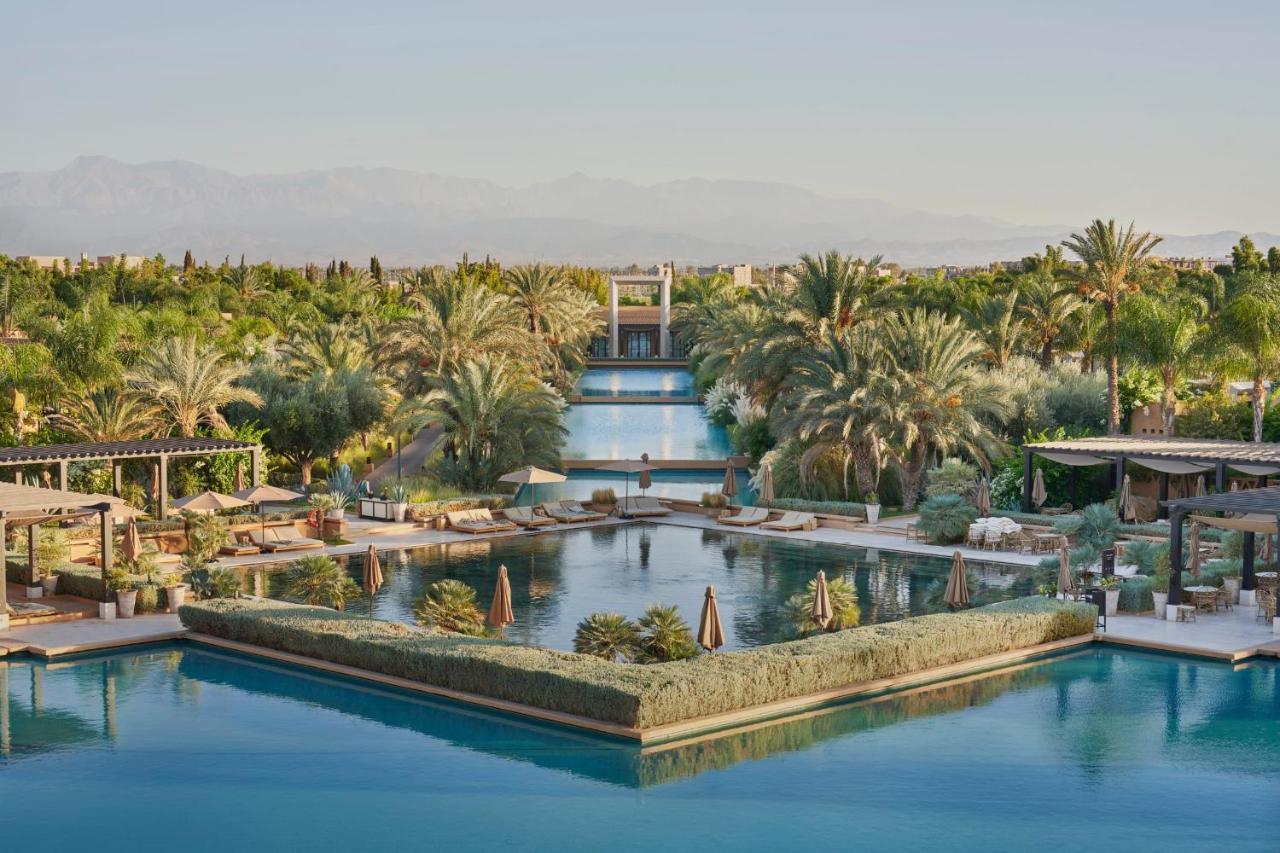
It suits the design-minded traveller, the golfer, and the couple who want the city accessible but prefer to return each evening to something modern and unhurried.
Should you stay outside the city?
Yes, if you want space, silence, and a pool over the souks, and you are willing to drive into town. Beyond the walls the options split into two registers: grand resorts that work like self-contained estates, and smaller countryside retreats built around farms, gardens, and art. Both put the Medina twenty to thirty minutes away.
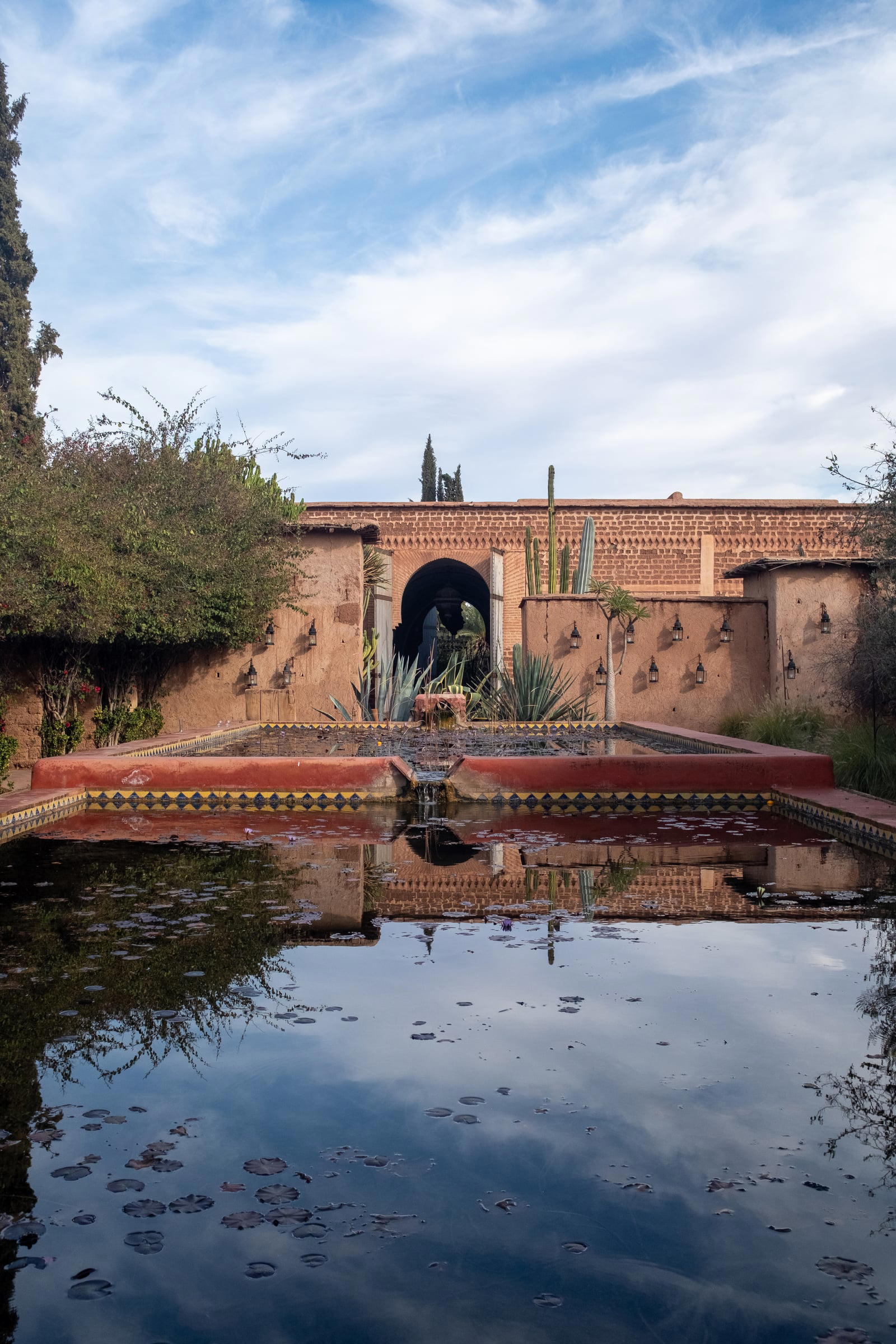
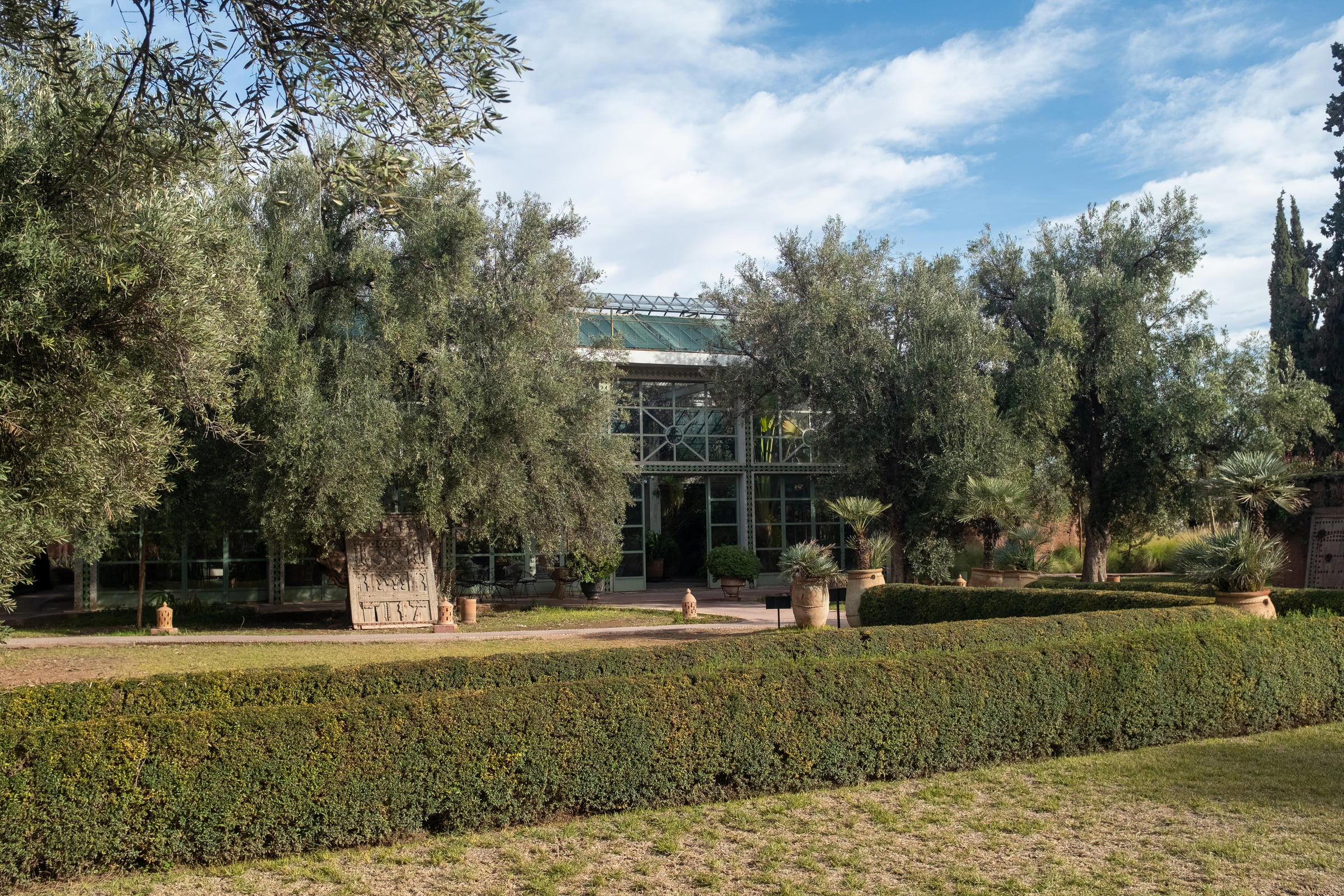
The grand resorts ring the city on the Amizmiz and Ouarzazate roads. Amanjena, the first Aman in Africa, with its pink pavilions and central basin; Selman, organised around its Arabian horses; the Fairmont Royal Palm and Beldi Country Club, the latter grown from an arts project into one of the area's most distinctive addresses; and The Oberoi, a Moorish palace in olive groves. This is full-service luxury, the hotel as the destination.
The countryside retreats trade grandeur for character. Fellah Hôtel and The Source sit ten to fifteen kilometres down the Ourika road, built around a working farm, a library, music, and water. Farasha Farmhouse, half an hour north on the Route de Fes, is a regenerative farm on a plateau between two mountain ranges, with 450 olive trees, a fifty-metre pool, and contemporary Moroccan art throughout. These suit travellers who want the countryside with a creative, lower-key pulse rather than five-star formality.
Either way, staying outside the city makes a car or transfer part of the trip. What you gain is the space and quiet the walls were never going to give you.
Should you stay in the Agafay desert?
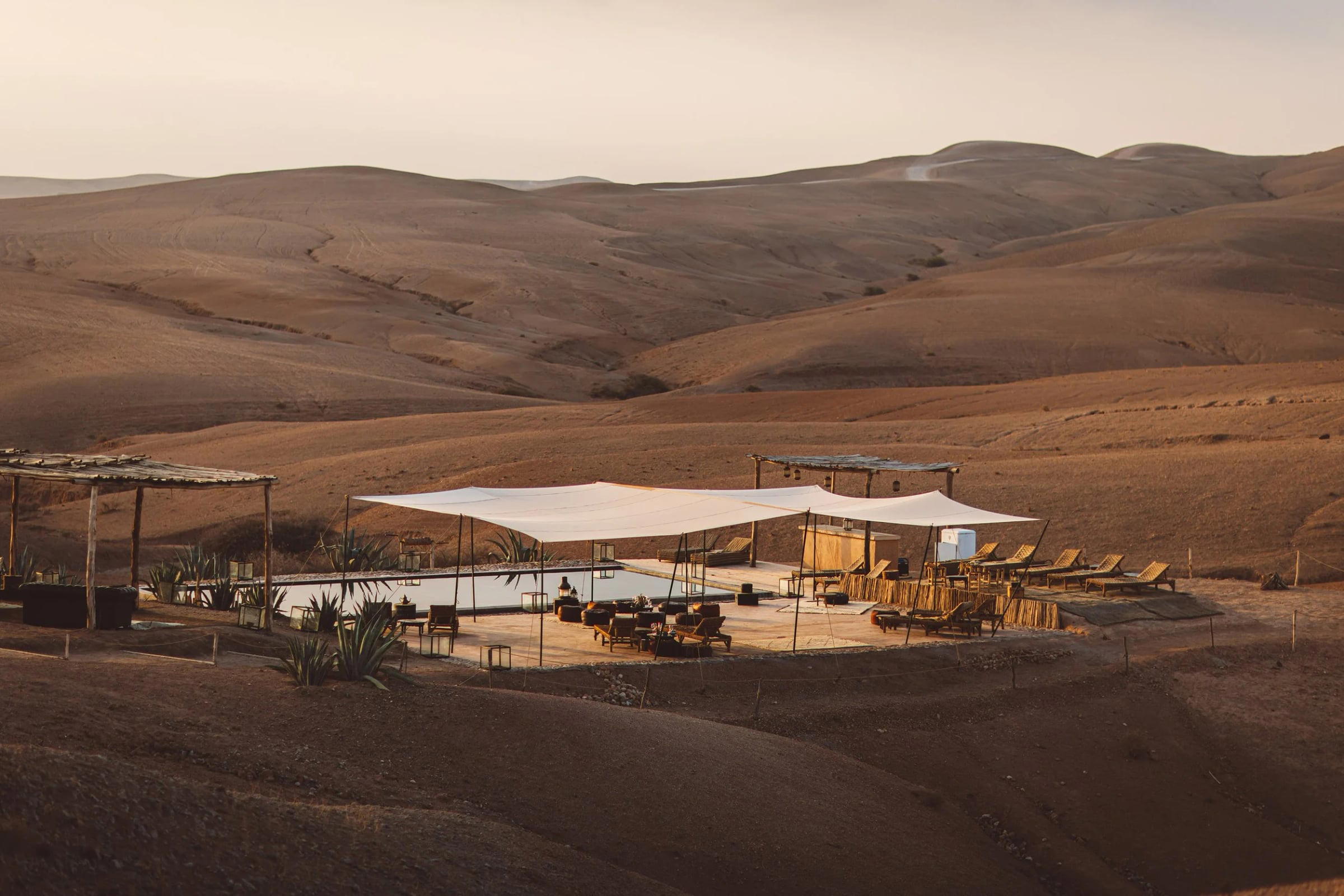
The Agafay desert, a stony plateau around forty minutes southwest of the city, is the most complete escape Marrakech offers. You stay in camps and lodges, Caravan by Our Habitas, La Pause, Kasbah d'If, and the much-reviewed BE Agafay, under the Atlas and the stars.
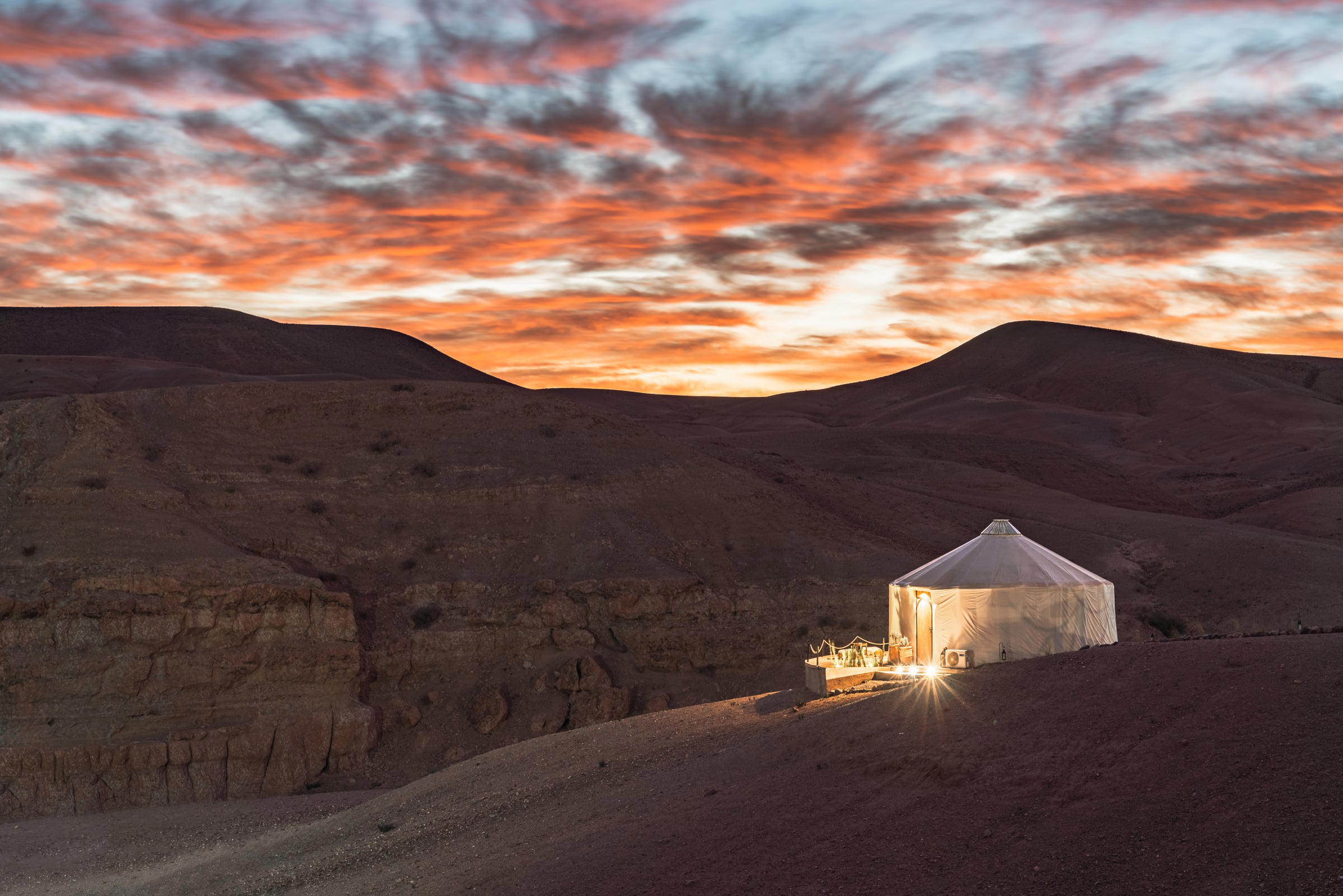
This is not the Sahara, the real dunes are many hours further south, but a lunar landscape of grey hills close enough for a single night or a longer stay. The camps range from barefoot-luxury tents to design-led lodges, all trading on silence, sunsets, and the absence of the city entirely.
It suits honeymooners, stargazers, and anyone whose idea of Marrakech includes a night with no walls at all.
So which neighborhood should you choose?
None of these is the right answer, because they are not answering the same question. The Medina offers immersion, Hivernage proximity with relief, Gueliz and Majorelle the contemporary city, the Palmeraie and Al Maaden the city's quieter edges, the estates beyond it space and service, and Agafay a complete escape. The only mistake is choosing without knowing which version of Marrakech you came for.
You may also like…